
History
Da Nang Museum
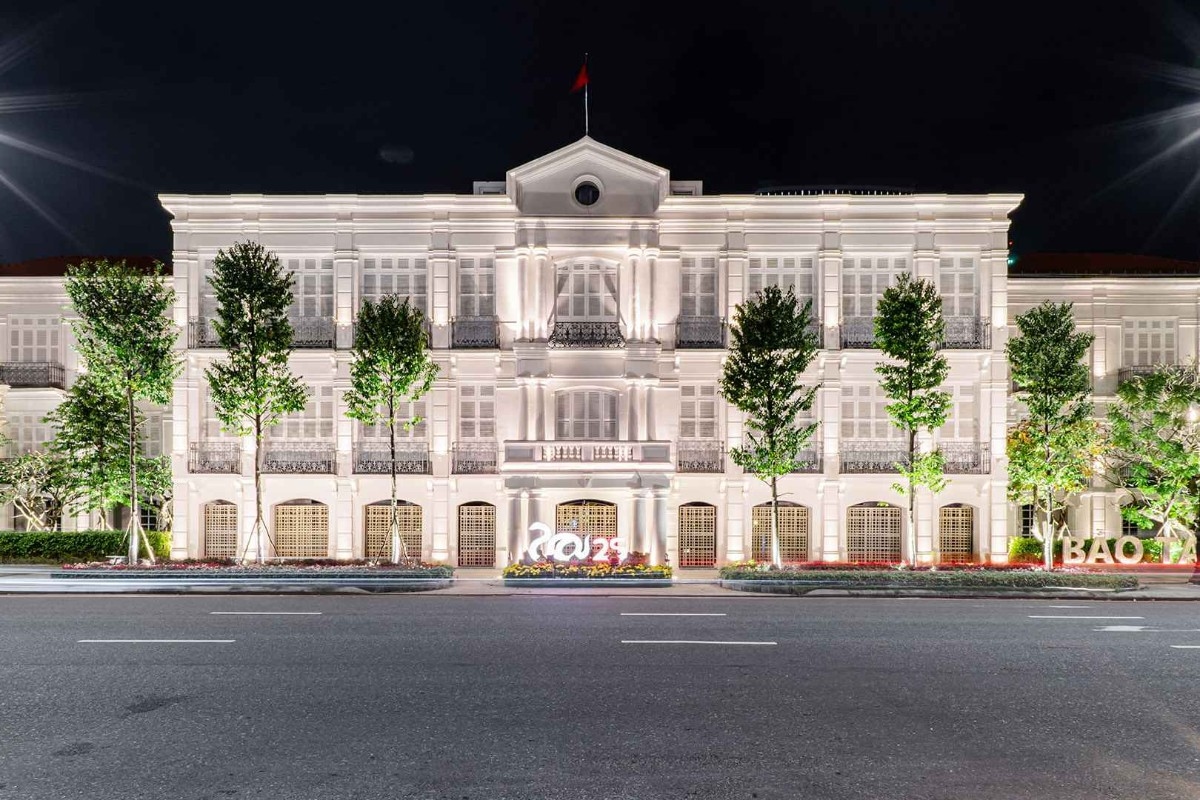
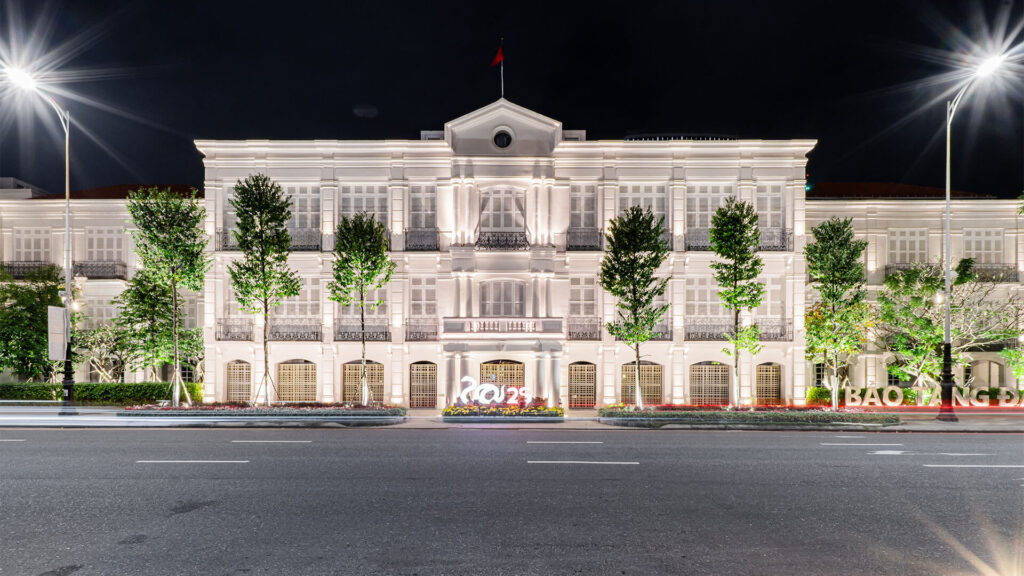
Da Nang Museum is located at 42 – 44 Bach Dang and 31 Tran Phu; among them, the building at 42 Bach Dang is considered a 'historical artifact' and stands as a witness of time.
TT Xúc tiến du lịch Đà Nẵng
The story
- Address: 42 – 44 Bach Dang and 31 Tran Phu, Hai Chau, Da Nang
- Opening hours: 08:00 – 17:00 (Weekdays)
- Visitor entrance: 31 Tran Phu, Da Nang city.
According to Resolution No. 10/2025/NQ-HĐND of the Da Nang People's Council, from July 3, 2025, Da Nang Museum will officially apply a new ticket price for visits, with specific regulations as follows:
Free admission for the following groups:
- Vietnamese citizens with disabilities, having disability certificates as per legal regulations.
- Vietnamese citizens eligible for preferential policies in cultural enjoyment as per current regulations.
- Children under 16 years old and students as per the 2019 Education Law.
- Senior citizens who are Vietnamese citizens aged 60 and above.
- Diplomatic guests.
Admission fees:
- 50,000 VND/person/visit for Vietnamese and foreign visitors, except for those exempted or subject to different fees as per regulations.
- 20,000 VND/person/visit for citizens residing in Da Nang city; students enrolled in universities, colleges, vocational schools, and educational institutions.
Free admission on public holidays:
- First day of the Lunar New Year.
- Da Nang Liberation Day (March 29).
- Hung Kings' Commemoration Day (10th day of the 3rd lunar month).
- National Day of the Socialist Republic of Vietnam (September 2).


The building at 42 Bach Dang, with a three-story central block, faces the Han River, designed by a French architect in a neoclassical style, began construction in 1898 and was inaugurated in 1900. In the 1960s, this central block was added with a three-story building on each side with a similar architectural style.
Initially, this was the workplace of the Tourane governors – hence called the Governor's Office. In July 1945, it became the workplace of the Mayor of Tourane appointed by the Trần Trọng Kim government.
On August 26, 1945, this place became the headquarters of the provisional revolutionary People's Committee of Thành Thái Phiên. In early 1947, the French reoccupied Da Nang, and this place returned to the name Governor's Office of Tourane until the French handed over the Tourane concession to the Vietnamese National Government on January 3, 1950. From then on, the Governor's Office of Tourane officially became the Da Nang City Hall.
On March 29, 1975, the Da Nang City Hall became the administrative center of the revolutionary government – from the Quang Da Special Zone to Quang Nam – Da Nang province and then to Da Nang city. Since late 2016, there has been a policy to convert this building into Da Nang Museum.
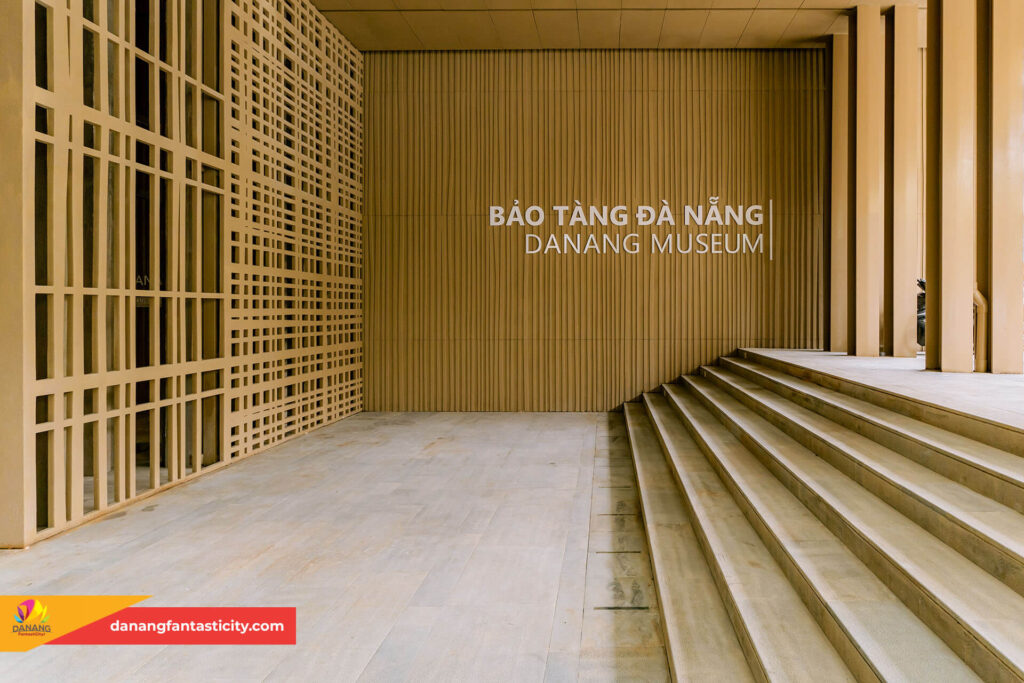
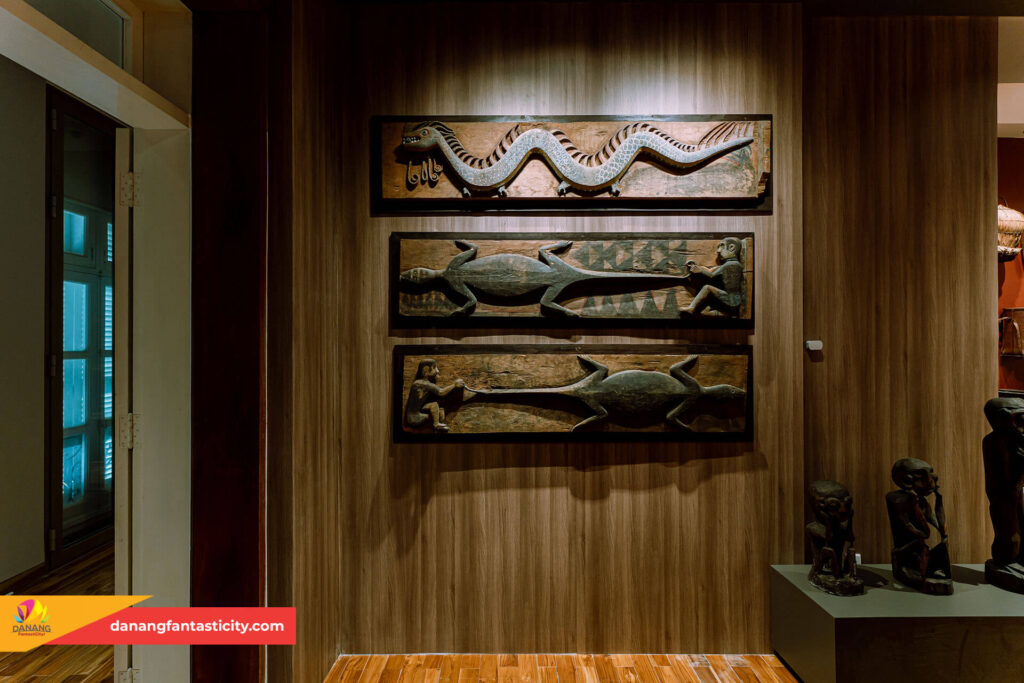
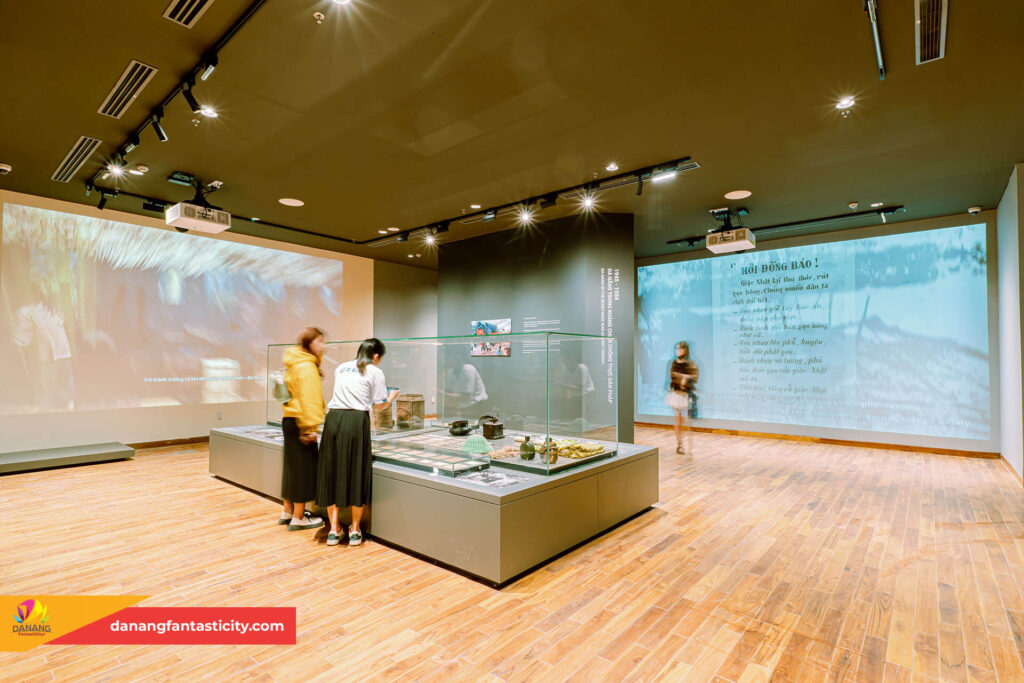
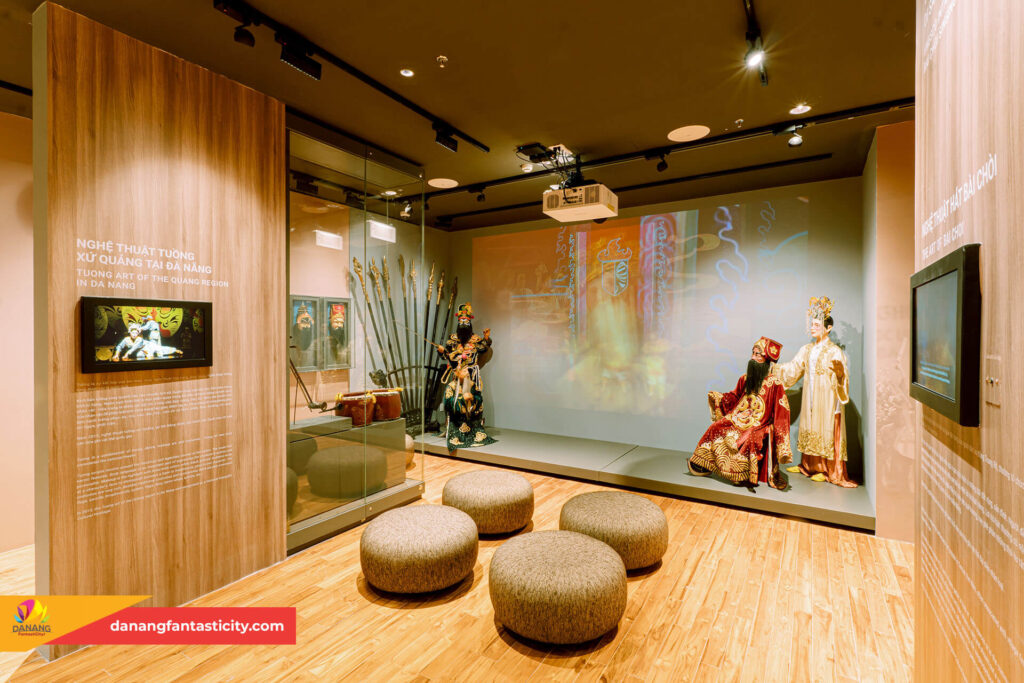
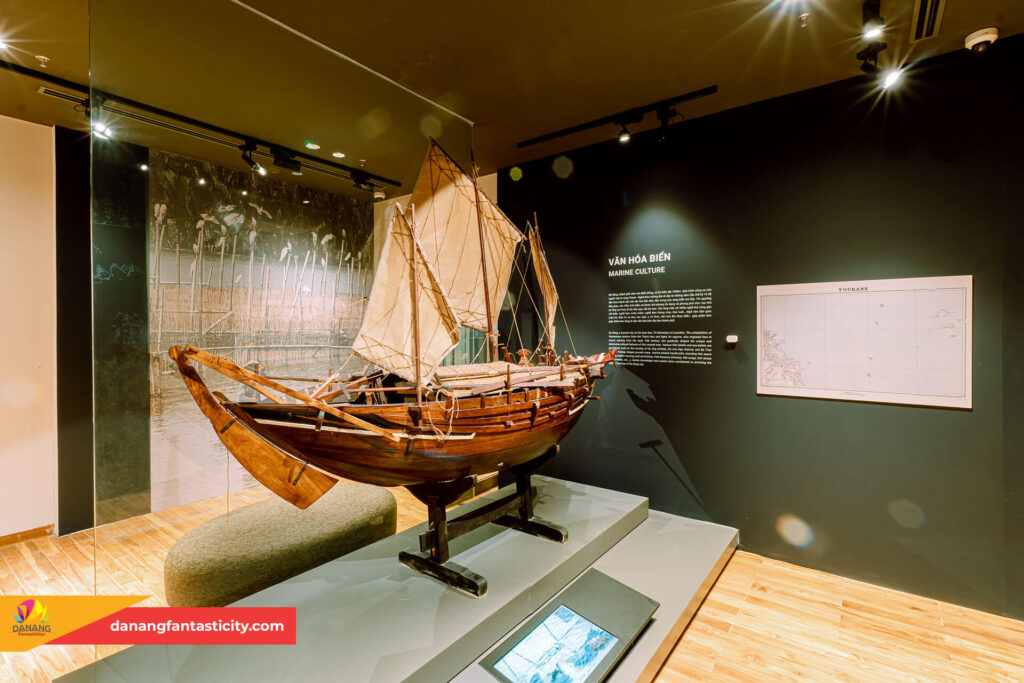
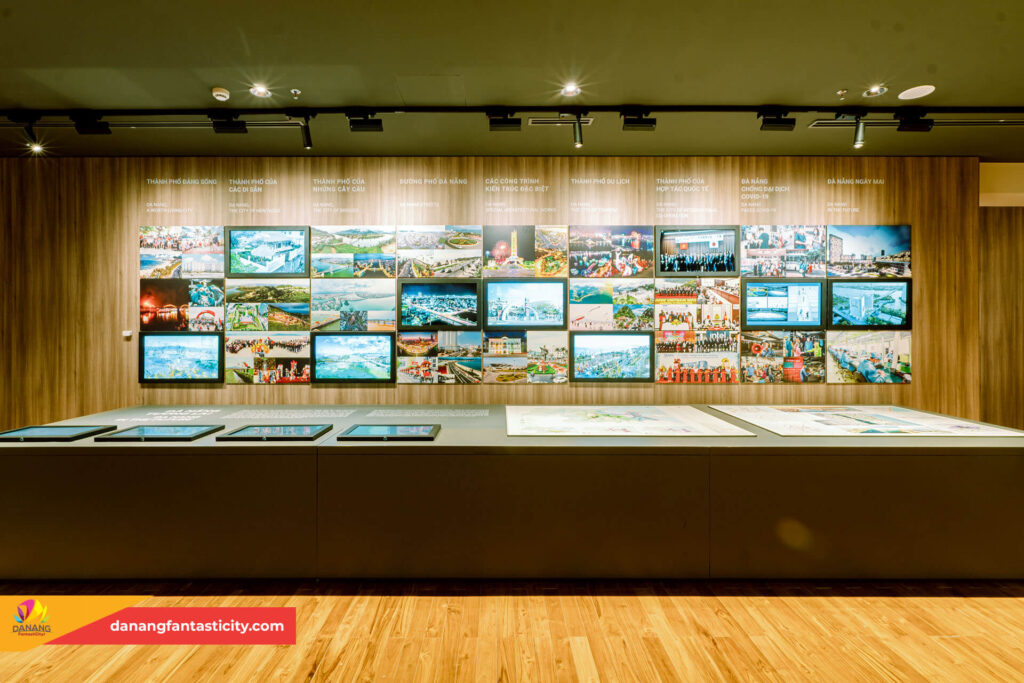
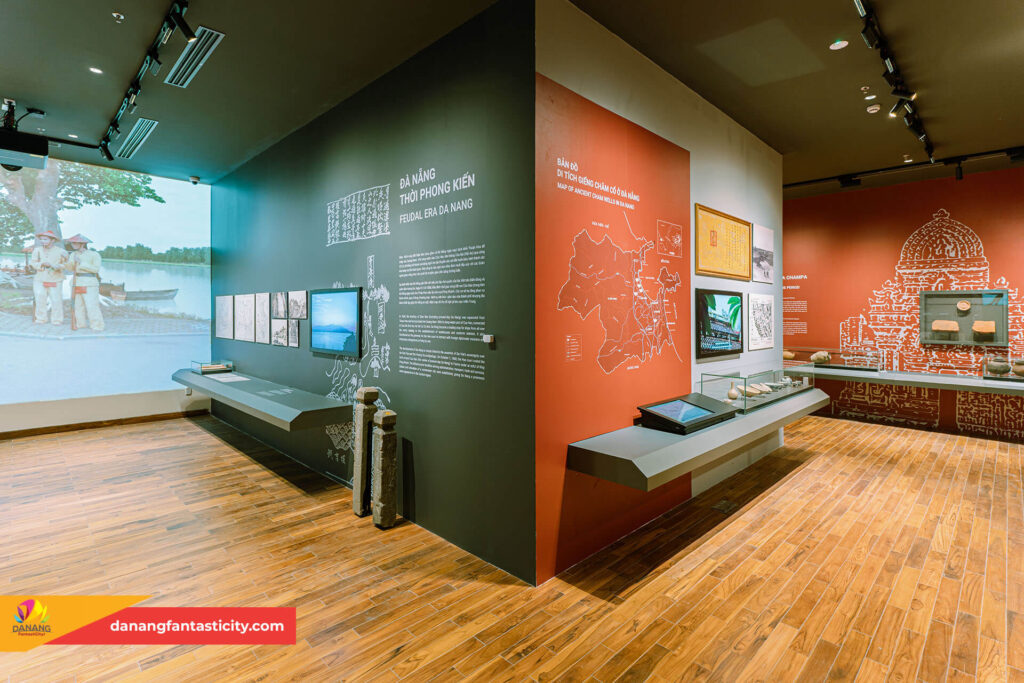
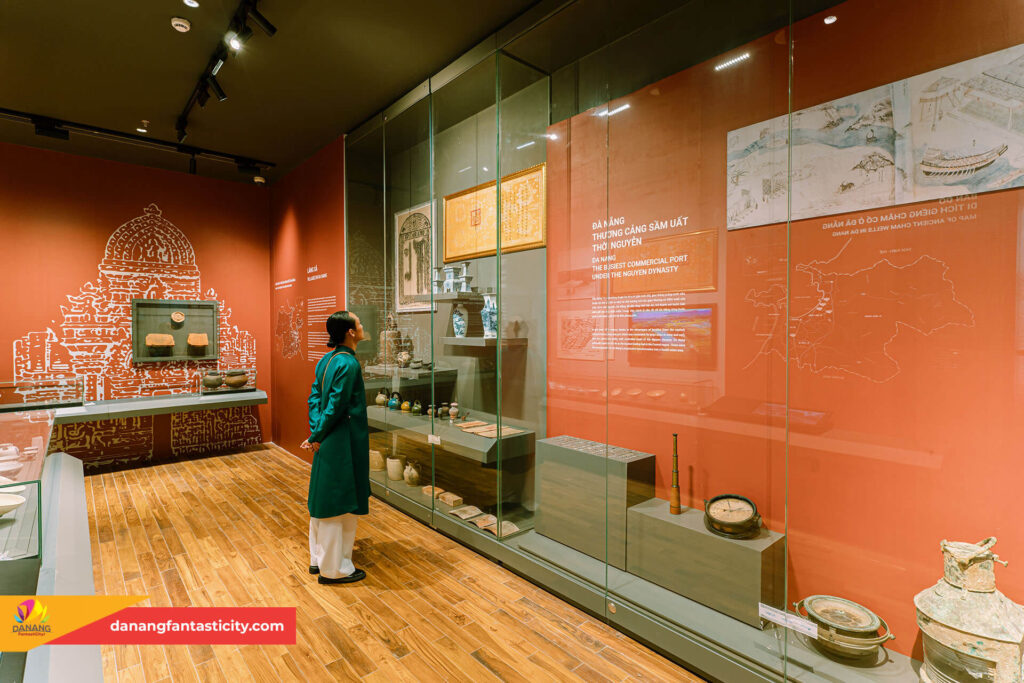
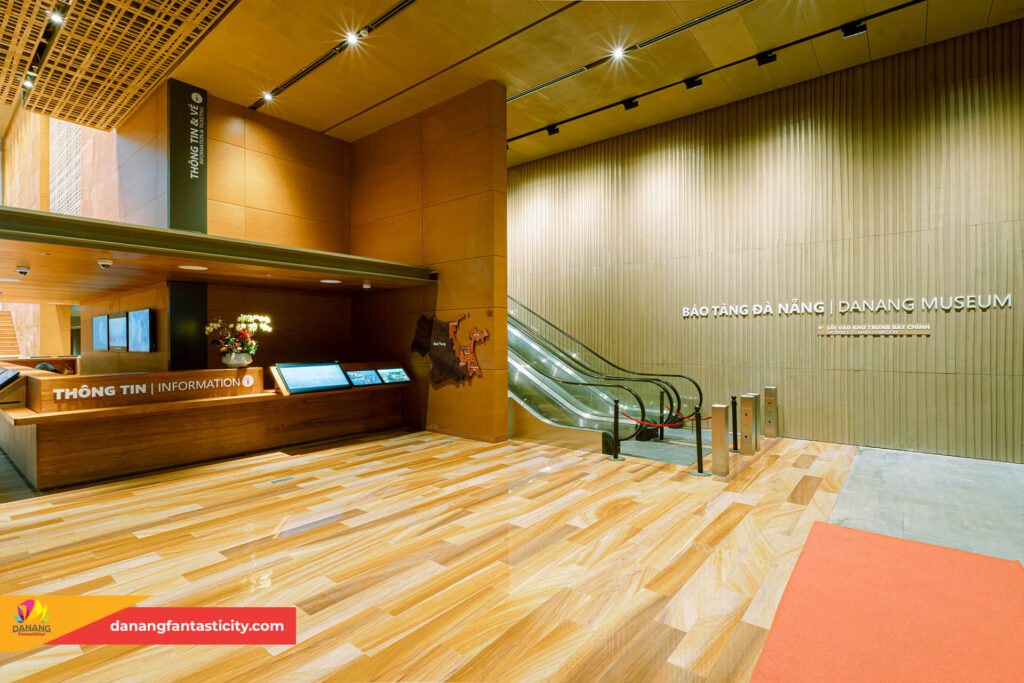
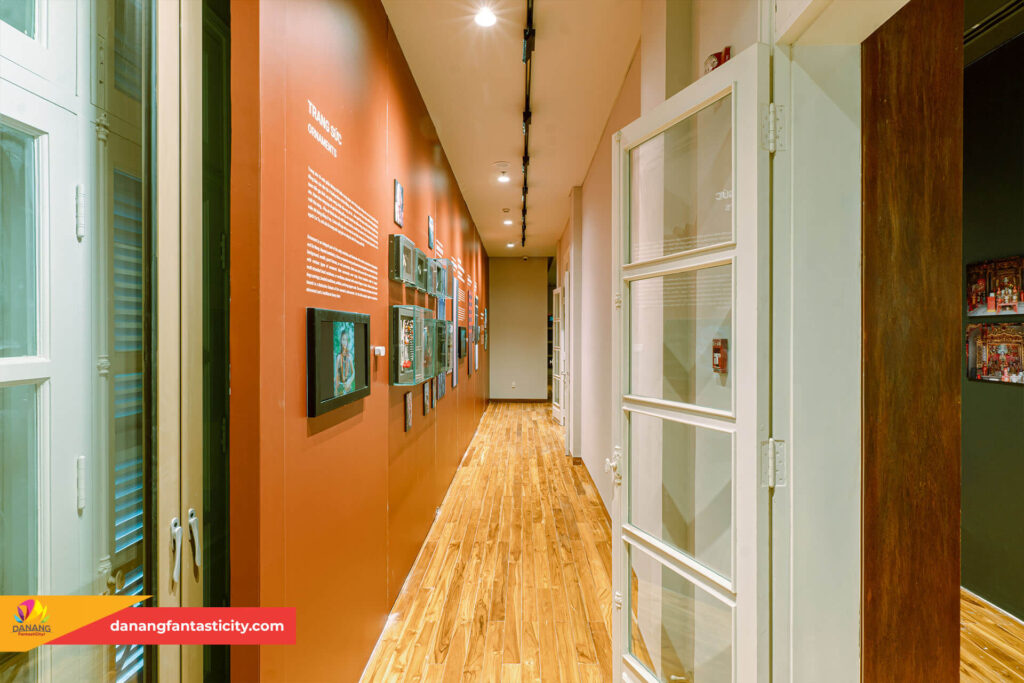
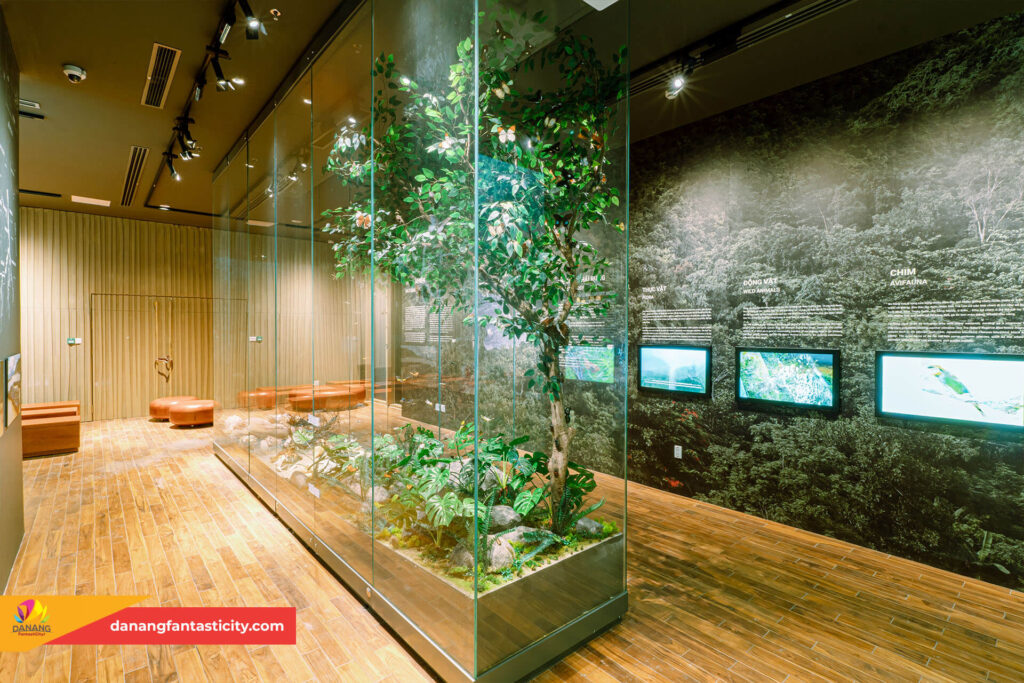
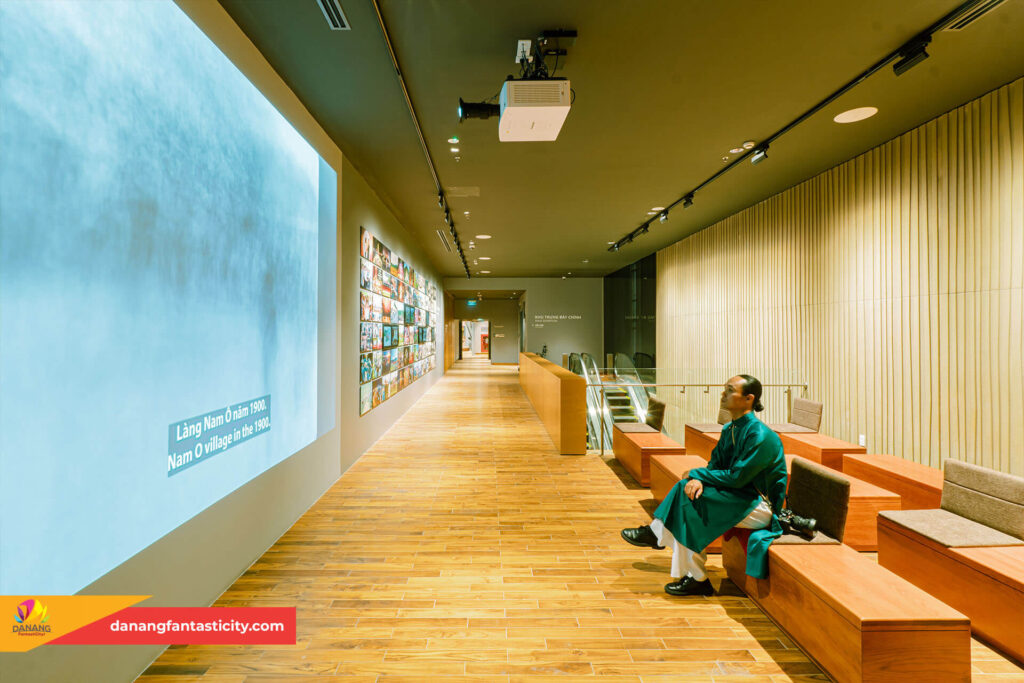
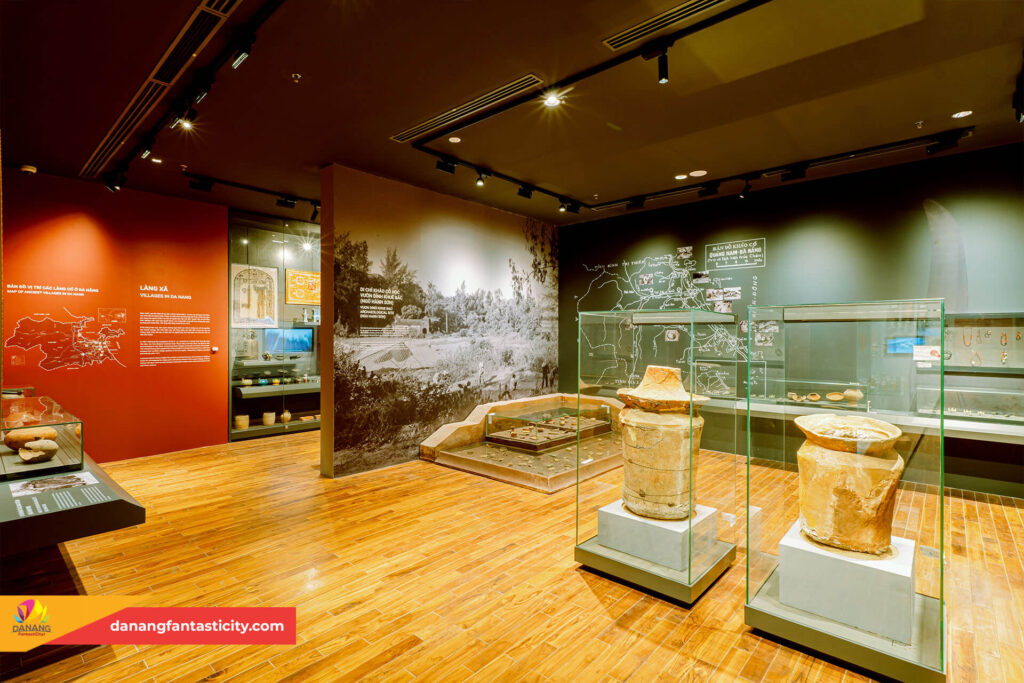
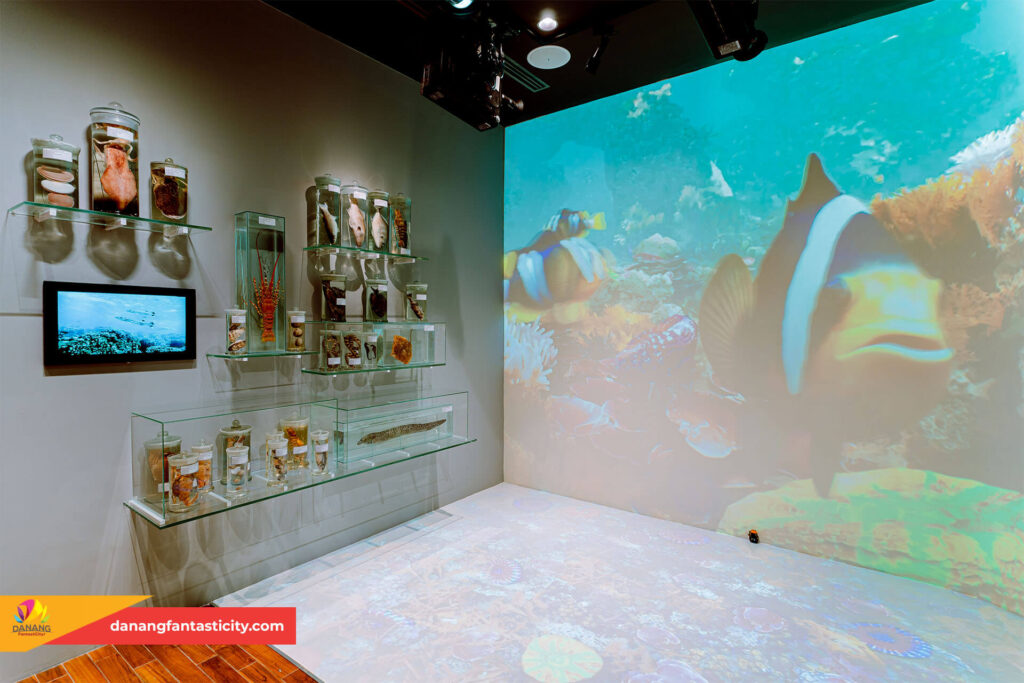
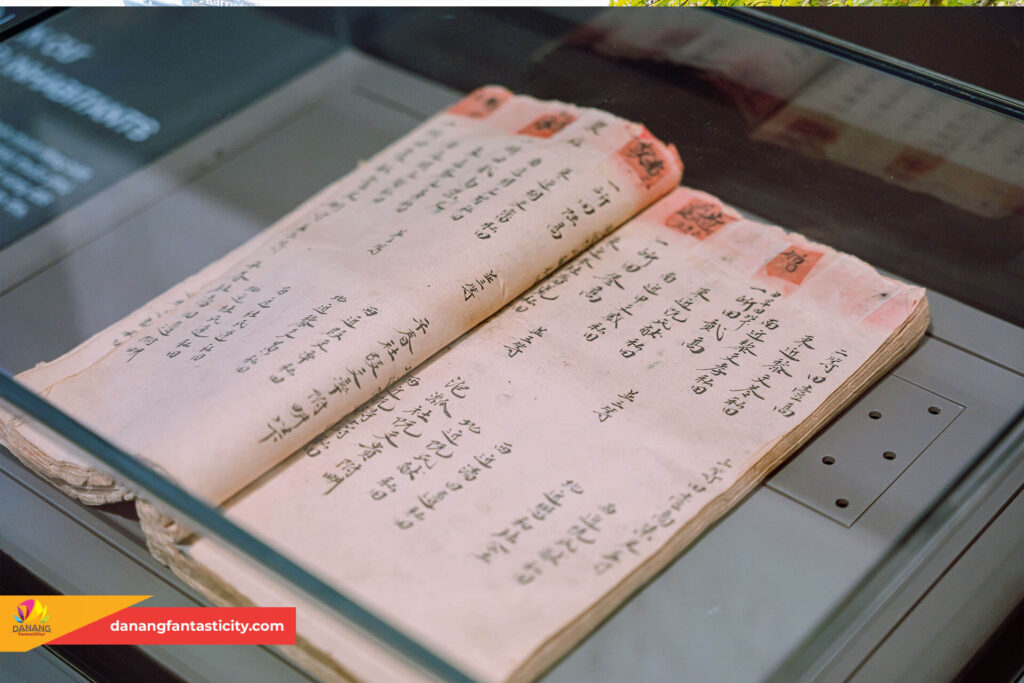
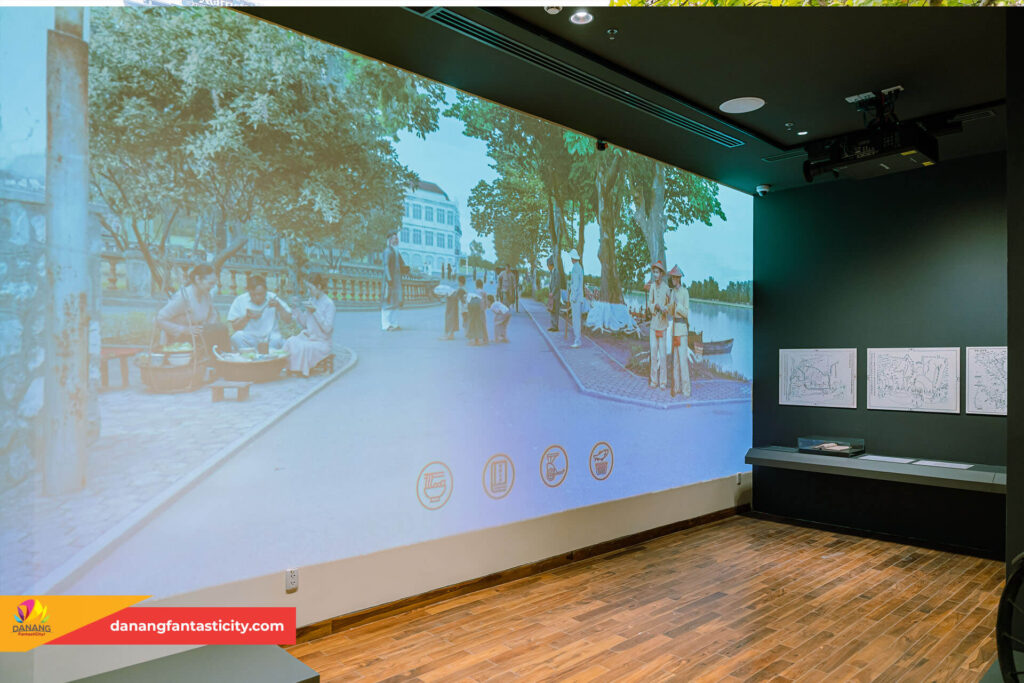
Da Nang Museum is a cultural project invested with a display system, scientific interpretation, aesthetics, and modern facilities. With nearly 3,000 documents and artifacts selected from 27,000 documents and artifacts, combining traditional display styles with modern projection technology; especially the application of 3D Mapping and interactive 3D Mapping, 3D films, documentary films, and image slides to enhance the experience and interaction for visitors. Da Nang Museum will open up and guide the public to experience and learn about the nature and social history of Da Nang, the stories about culture as well as the aspirations of one of the major economic – social centers of the country and Southeast Asia.
Da Nang Museum consists of 3 exhibition floors, with the interior space designed scientifically to arrange thematic displays of images, documents, and artifacts, including 9 major themes, including: Overview photo wall of Da Nang city; Nature and people of Da Nang; History of Da Nang urban; The struggle to protect national independence; War memorials; Da Nang's integration and development; Cultural diversity; Da Nang City Hall; Collection of artifacts from Da Nang Museum.
With a convenient traffic location on 3 streets: Bach Dang – Quang Trung – Tran Phu, linked with the cultural – festival axis, the Dien Hai Square project, the General Scientific Library, and the landscape of the West bank of the Han River, Da Nang Museum Da Nang – a symbol connecting the past and present, promises to become a unique architectural highlight, imbued with historical – cultural values by the Han River.
Games nearby
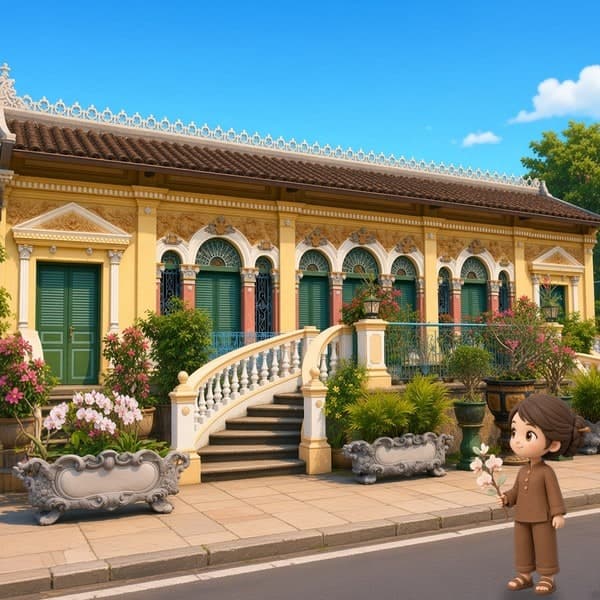
Can Tho Locals: Binh Thuy Ancient House
Exploration Game

Self-guided walking tour: Ninh Kieu Park
Exploration Game

Dalat Locals: Anh Sang Park
Exploration Game

Self-guided walking tour: Xuan Huong Lake
Exploration Game

Saigon Locals: Le Van Tam Garden
Exploration Game
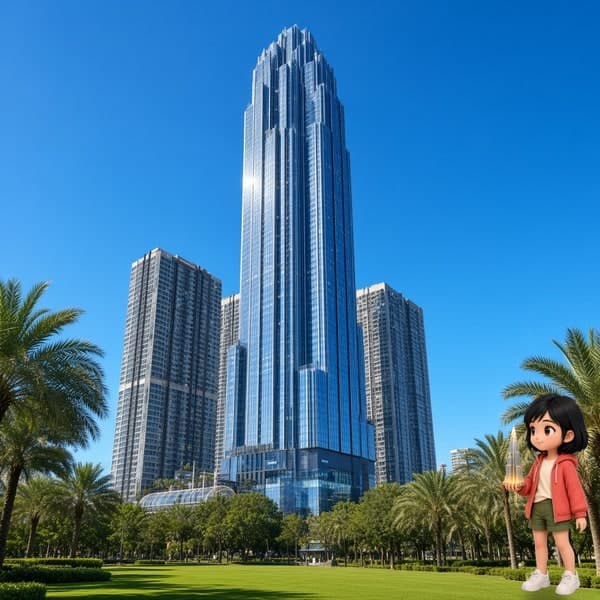
Self-guided walking tour: The 2018 Tower
Exploration Game
Self-guided walking tour: The Forsyth Fountain
Exploration Game

Ninh Binh Locals: Tam Coc Wharf
Exploration Game